
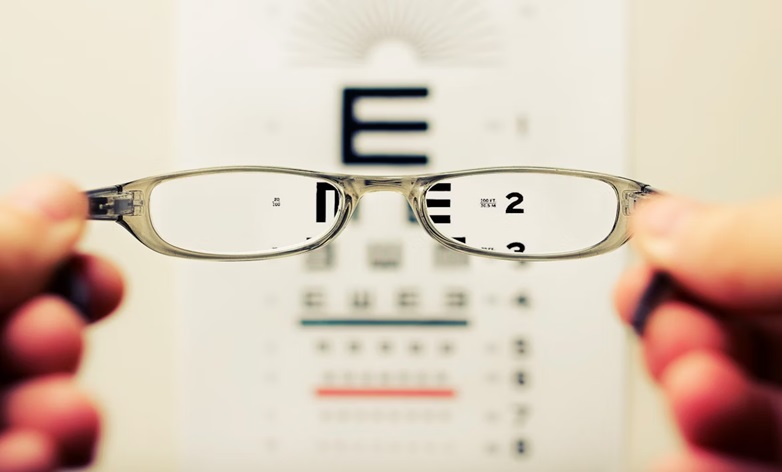
If you’ve had the same pair of glasses perched on your nose for years, you’re not alone. Many people wait far longer than they should to replace their specs—often because they still work, or because it’s a hassle to book an eye test. But your glasses aren’t just about vision correction; they’re also part of your daily comfort, eye health, and how you present yourself to the world. So, how often should you replace them?
Every Two Years Is a Good Rule—But Not a Hard One
As a general guideline, optometrists recommend updating your glasses every two years. That doesn’t mean you need to buy a new pair on the dot, but it does mean you should have your eyes tested at least that often. Your prescription can change subtly, and if you’re squinting more or experiencing headaches, it may be time for an update—regardless of how long you’ve had your frames.
That said, two years isn’t a magic number. Some people will need to replace theirs sooner, especially if their prescription changes more rapidly, or if their glasses start to feel off—either visually or physically.
Signs It’s Time for a Change
If you’re unsure whether it’s worth replacing your glasses, there are a few clues to look out for:
- Blurry or strained vision: This is the clearest sign that your prescription may no longer be right.
- Scratched or damaged lenses: Even minor surface scratches can distort light and affect clarity.
- Loose or uncomfortable frames: Glasses that constantly slide down your nose or pinch behind your ears aren’t doing you any favours.
Frequent headaches: Particularly around the eyes and temples. - Outdated style: Let’s be honest—if your frames have survived more fashion cycles than you have birthdays in the last five years, it might be time to treat yourself.
And if your current pair has survived multiple drops onto the bathroom tiles, you’re living dangerously.
Lenses Deteriorate Over Time
Even if your frames look pristine, your lenses can degrade. Coatings that help reduce glare or block blue light wear away with cleaning and exposure to sunlight. That means your glasses may become less effective at protecting your eyes and reducing strain over time.
Modern lenses often come with anti-reflective or hydrophobic coatings, and while these can last a while, they’re not eternal. If you’re starting to notice more glare at night or smudges that never quite clean off properly, it might be the coatings, not your cleaning cloth.
Lifestyle Changes Can Trigger the Need for New Glasses
Maybe you’ve started working from home and now spend 10 hours a day staring at a screen. Or perhaps you’ve taken up cycling, and your current glasses just don’t cut it in the wind. Life changes—and your eyewear should keep up.
A second pair of prescription glasses suited to a specific activity can be a worthwhile investment. For instance, sports eyewear designed for running or cycling offers better fit and protection, and you can find plenty of options with prescription lenses online! Similarly, if you ski or snowboard, don’t underestimate the difference that proper goggles can make—both in visibility and comfort.
Kids and Teens Need More Frequent Updates
Children’s eyesight can change rapidly, so they often need new prescriptions more frequently—sometimes every 6 to 12 months. If your child is squinting at the board, holding books too close, or complaining of eye strain, book them in for a check-up. And be mindful of wear and tear—kids are not known for their gentle handling of accessories.
You Don’t Have to Wait for an Eye Test to Upgrade Your Style
While functionality comes first, let’s not pretend glasses are purely practical. They sit right on your face, after all. A new pair of frames can be a subtle (or bold) refresh—much like a new haircut. Whether you lean towards the sculptural lines of Prada or the bold elegance of Versace, changing up your style can bring a quiet confidence to the everyday.
And if you wear prescription lenses, you’ll be pleased to know many designer brands offer frames with lenses included—Ray-Ban, Tom Ford, and Oakley, to name a few. Some can even be delivered the very next day if you’re in a hurry to move on from your current pair.
Keep a Spare, Just in Case
Even if you’re not ready to replace your main glasses, it’s worth considering a second pair as backup. Accidents happen—frames snap, screws vanish, lenses crack. Having another set ready to go can save you from a blurry week waiting for repairs.
If your prescription hasn’t changed, you can use your old pair as a spare. But if they’re out of date or damaged, it’s best to pick up a second pair that you actually want to wear, not one you’ll resent digging out in a pinch.
It’s Not Just About You
Lastly, remember that getting a fresh eye test isn’t only about your prescription—it’s about your health. An optometrist can pick up early signs of conditions like glaucoma, high blood pressure and even diabetes through a routine eye exam. So even if your vision feels fine, don’t skip your check-up.
If it’s been a while since you last replaced your glasses, think of this as your nudge. Not because you have to upgrade, but because you might want to. Whether you’re eyeing up new designer frames or just want sharper, more comfortable vision, the right pair can make everyday life that little bit clearer.
 Everyday Health Blog