
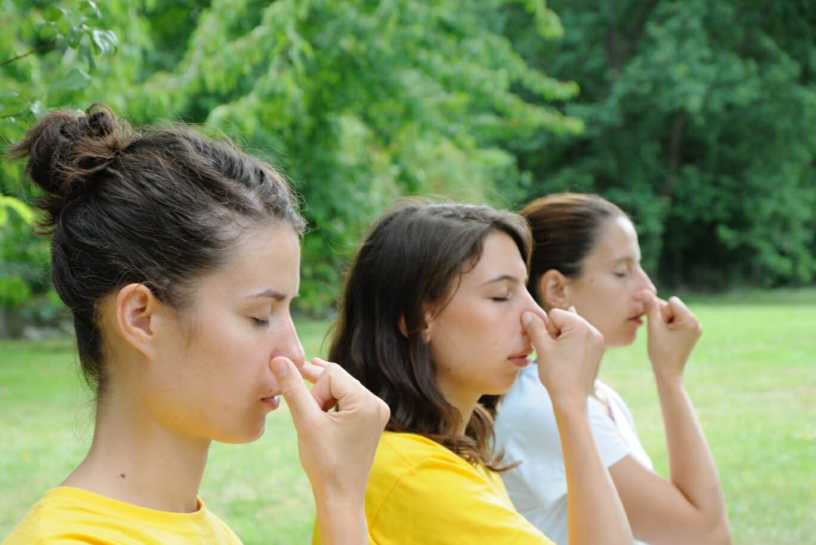
The Overlooked Power of Breath
Breathing is the first and most essential act of life, yet many people in modern cities take shallow, incomplete breaths without realising how it affects their health. Every inhale fuels our cells with oxygen, while every exhale removes carbon dioxide and toxins. When breathing patterns become restricted by stress, posture, or sedentary routines, oxygen exchange weakens, and fatigue becomes a daily companion.
In the context of mindful movement, Yogalates stands out for its deliberate integration of breath with physical precision. Classes at yogalates Singapore studios are designed to teach the body how to breathe efficiently while engaging core stability. This simple but profound skill enhances lung capacity, circulatory function, and overall cellular performance.
Understanding the Science of Breathing in Yogalates
Yogalates borrows the mindful breathing traditions of yoga and the structured control of Pilates. It treats the respiratory system not merely as an automatic process but as a powerful muscular and neurological function. The breathing technique used in Yogalates, often called “three-dimensional breathing,” encourages expansion through the rib cage, diaphragm, and lower back simultaneously.
This approach activates the intercostal muscles and diaphragm more effectively than shallow chest breathing. As a result, more oxygen reaches deep alveolar spaces, improving blood oxygenation and carbon dioxide clearance. Over time, practitioners report increased energy, improved concentration, and better emotional balance.
The Physiology of Lung Strengthening
Breathing correctly is both a mechanical and chemical process. When you inhale deeply, the diaphragm contracts and flattens, creating negative pressure in the lungs that draws air in. During exhalation, the diaphragm relaxes, and carbon dioxide is expelled. Yogalates movements align with this rhythm, helping the body learn to coordinate muscle contraction with optimal breath timing.
Key physiological effects include:
-
Increased tidal volume: Each breath moves more air, reducing oxygen deficit.
-
Improved alveolar efficiency: Air exchange in the lungs becomes more thorough.
-
Enhanced blood oxygenation: Oxygen binds more efficiently to haemoglobin, energising muscles and the brain.
-
Balanced pH levels: Efficient carbon dioxide removal prevents acidity and fatigue.
-
Lower heart rate: Slow breathing activates the parasympathetic nervous system, calming the body.
These outcomes collectively improve endurance, reduce shortness of breath, and enhance recovery after physical exertion.
The Connection Between Breath and Core Activation
Yogalates instructors often refer to the core and breath as partners. The diaphragm, pelvic floor, transverse abdominis, and multifidus muscles form a pressure system that stabilises the spine. When breath control improves, this system works more efficiently, protecting the lower back and improving posture.
For example, when you exhale during a Yogalates movement, the diaphragm rises while the pelvic floor and abdominal muscles gently contract. This creates internal stability without excessive tension. Inhale phases then relax the system, promoting fluid movement. Over time, practitioners learn to stabilise from the inside out, which is why Yogalates is considered one of the most intelligent movement methods for sustainable strength.
Breathing as a Detoxification Mechanism
Nearly 70 per cent of the body’s waste gases exit through the lungs. Incomplete breathing slows detoxification, leading to sluggish metabolism and dullness. Yogalates encourages full breathing cycles that push out stagnant air trapped in the lungs. This natural detox process supports lymphatic flow, liver function, and cellular repair.
It is particularly beneficial in humid climates like Singapore, where air quality, indoor cooling, and limited ventilation can restrict optimal breathing. Regular practice helps keep the respiratory muscles supple and lungs clear, creating a sense of vitality that radiates through the day.
The Role of Breathing in Nervous System Regulation
Every breath affects the nervous system. Rapid, shallow breathing activates the sympathetic system, often known as the “fight or flight” response. Slow, rhythmic breathing triggers the parasympathetic system, which promotes rest, digestion, and recovery.
Yogalates breathing practices aim to harmonise both systems. By maintaining steady breath during movement, the body learns to stay calm even under mild physical stress. This makes Yogalates an effective method for managing anxiety and burnout, both common among professionals in fast-paced cities.
How Yogalates Improves Cellular Oxygenation
Cells rely on oxygen to convert nutrients into energy. When breathing is inefficient, oxygen delivery to tissues decreases, forcing the body into anaerobic metabolism, which produces lactic acid and fatigue.
Yogalates improves this process in three ways:
-
Better oxygen uptake: Deep breathing maximises the oxygen available to red blood cells.
-
Enhanced circulation: Controlled muscle contractions pump blood more efficiently to organs.
-
Efficient carbon dioxide release: Steady exhalation maintains the correct blood pH for cellular performance.
This cellular renewal improves complexion, reduces inflammation, and supports faster tissue healing. Regular practitioners often describe feeling lighter and more mentally clear after each session.
The Emotional Side of Breathwork
Emotional regulation and breath are deeply linked. When stress builds, the breath becomes short and sharp. Yogalates retrains this reflex by linking calm breathing with effort. As practitioners move through slow transitions, they develop emotional endurance — the ability to stay relaxed even in discomfort.
Many clients in Singapore report that conscious breathing during Yogalates helps them respond better to daily pressures, whether during meetings, long commutes, or family obligations. Over time, breath control turns into a mental resilience tool that extends beyond the mat.
The Urban Relevance of Breath Training
Urban living reduces natural breathing quality. Air-conditioning, indoor lifestyles, and constant screen focus keep the upper chest tight while the lower lungs remain unused. This creates a mechanical pattern of under-inflation that limits oxygen exchange.
Yogalates practice restores balance by expanding movement into the rib cage and lower back, teaching the body to use its full lung capacity. Singapore’s wellness professionals increasingly encourage this form of respiratory training as part of holistic health routines, especially for individuals recovering from respiratory illnesses or prolonged desk work.
Integrating Breath Awareness into Daily Routines
Breath training should not end when the class finishes. To fully benefit from Yogalates breathing techniques, integrate them into your day:
-
Start the morning with 5 deep breaths. It resets your nervous system before work.
-
Take breathing breaks during long meetings. Inhale for 4 seconds, exhale for 6, keeping shoulders relaxed.
-
Breathe before eating. Two slow breaths can improve digestion by stimulating the vagus nerve.
-
Stretch and breathe before sleep. It helps release tension and supports deeper rest.
Such simple habits rewire breathing patterns over time, improving focus and reducing fatigue.
Why Breathing Is the Foundation of Longevity
Oxygen is the fuel of life, and its efficient delivery defines health quality. Studies have shown that lung capacity strongly correlates with lifespan. Yogalates does not treat breathing as an accessory but as the main engine of vitality. By strengthening respiratory muscles, improving posture, and optimising circulation, it supports long-term wellness.
In Singapore, where work demands and climate often contribute to physical lethargy, this practice offers an accessible and effective way to rejuvenate both body and mind. Studios like Yoga Edition make breath awareness central to their teaching philosophy, ensuring every movement connects seamlessly with conscious oxygen flow.
Practical Guidelines for Better Breathing in Yogalates
To achieve the best results, focus on these essential techniques during your sessions:
-
Breathe through the nose, not the mouth. It filters and warms the air for better oxygen uptake.
-
Avoid over-breathing. Quality of breath matters more than quantity.
-
Coordinate movement with breath. Inhale to prepare, exhale to engage.
-
Maintain gentle rhythm. Even breath prevents unnecessary strain.
-
Stay mindful. Observe how breath affects your balance and energy in each exercise.
With consistent attention, these principles become second nature, supporting both physical and emotional wellbeing.
FAQs
Q1: How does Yogalates breathing differ from typical yoga breathing?
Yogalates breathing focuses on three-dimensional expansion of the rib cage and back while maintaining core stability. It is less about long holds and more about coordination between movement and controlled breath flow.
Q2: Can improved breathing really increase energy levels?
Yes, better oxygenation enhances mitochondrial efficiency, which means your body produces more energy from the same food intake. Many practitioners feel less tired and more alert during the day.
Q3: Is Yogalates breathing safe for people with asthma or lung conditions?
It can be beneficial when performed gently under instructor supervision. The goal is to improve lung elasticity and strengthen respiratory muscles without forcing deep inhalation.
Q4: How soon can you feel lung health improvements after starting Yogalates?
Consistency is key. Most people report noticeable differences in breath depth and stamina within 4 to 6 weeks of regular practice.
Q5: Does breathing training affect emotional health?
Absolutely. Controlled breathing activates the body’s relaxation response, reducing anxiety and improving emotional balance. It also helps in managing workplace stress more effectively.
 Everyday Health Blog