
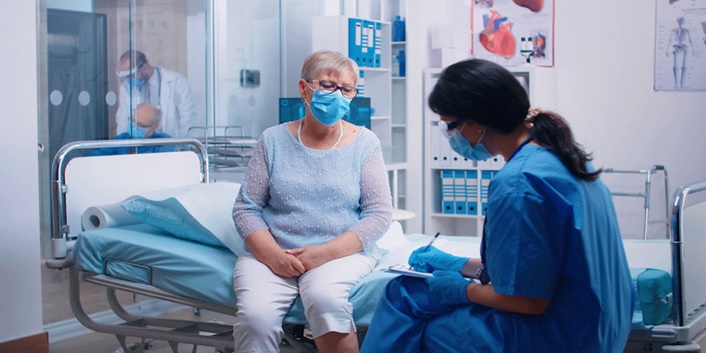
Preventing cross patient infections is paramount in any healthcare environment, not only to protect vulnerable individuals but also to uphold the highest standards of care. Essential strategies for safer care begin with rigorous hand hygiene. Ensuring that all healthcare professionals wash their hands thoroughly before and after each patient contact significantly reduces the risk of transmitting harmful pathogens.
Equally important is the meticulous cleaning and disinfection of surfaces and medical equipment. High, touch areas, such as bed rails, door handles, and diagnostic devices, must be sanitised regularly using approved cleaning agents. Implementing strict protocols for the use of personal protective equipment (PPE) further minimises direct contact with infectious materials.
Another crucial strategy involves isolating patients who are known or suspected to carry contagious illnesses. Designated isolation rooms and clear signage help prevent accidental exposure among staff and other patients. Continuous staff training on infection control procedures ensures that everyone remains vigilant and up, to, date with best practices.
By embedding these measures into daily routines, healthcare facilities can create a safer environment for both patients and staff, demonstrating an unwavering commitment to quality care and infection prevention.
Understanding the Risks: Why Cross Patient Infections Occur
Cross patient infections remain a significant concern in healthcare settings, contributing to a rise in healthcare associated infections that can compromise patient safety and recovery. Understanding the root causes of cross infection is crucial for both medical professionals and patients alike. One of the primary cross infection causes is inadequate hand hygiene among staff and visitors, which can easily facilitate the transfer of pathogens from one patient to another. Hospital transmission risks are further heightened by shared medical equipment, contaminated surfaces, and overcrowded wards.
Patient, to, patient infection often occurs when proper disinfection protocols are not strictly followed or when personal protective equipment is used incorrectly. Additionally, certain risk factors for cross infection, such as weakened immune systems, open wounds, or invasive procedures, make some individuals more susceptible than others. By recognising these risks and their sources, hospitals can implement targeted strategies to minimise hospital transmission risks and safeguard every patient’s health during their stay.
The Role of Hand Hygiene in Infection Prevention
Maintaining rigorous hand hygiene is one of the most effective strategies for reducing germ spread in hospitals. Adhering to proper hand washing protocols and ensuring effective hand sanitisation are proven methods that significantly lower the risk of healthcare, associated infections. When healthcare professionals commit to high levels of hand hygiene compliance, they create a safer environment for both patients and staff.
Hand washing protocols should be followed meticulously, especially before and after patient contact, after exposure to bodily fluids, and after touching potentially contaminated surfaces. Using alcohol, based hand sanitisers when soap and water are not readily available further enhances protection against harmful bacteria and viruses.
Ultimately, promoting a culture where effective hand sanitisation is prioritised leads to measurable improvements in infection prevention. By championing these practices, hospitals can safeguard vulnerable patients, reduce costly outbreaks, and set a gold standard for safety within the healthcare sector.
Implementing Standard Precautions and Personal Protective Equipment (PPE)
Implementing standard precautions in healthcare settings is not just a recommendation, it’s an essential safeguard for both patients and staff. Standard precautions, such as hand hygiene and the correct use of personal protective equipment (PPE), form the backbone of infection prevention strategies across hospitals. PPE use in hospitals, including gloves, masks, gowns, and eye protection, acts as a vital barrier against the spread of infections. When paired with barrier nursing techniques, such as isolating rooms for patients with infectious diseases and using dedicated equipment, these measures significantly reduce cross, contamination risks.
Protective clothing for staff is more than just a physical shield; it represents a commitment to safety and professionalism within clinical environments. By consistently applying these practices, healthcare teams demonstrate their dedication to high standards of care while fostering trust among patients and their families. Ultimately, rigorous adherence to standard precautions ensures that everyone within the hospital environment is protected from avoidable harm, a goal that should always remain at the forefront of modern healthcare practice.
Cleaning and Disinfection Protocols: Keeping Surfaces and Equipment Safe
Maintaining rigorous hospital cleaning procedures is absolutely vital in safeguarding both patients and healthcare professionals. Every surface, from waiting room counters to high, touch areas in patient wards, can harbour harmful pathogens if not properly managed. That’s why routine cleaning schedules are meticulously designed to ensure that no area is overlooked, reducing the risk of cross, contamination throughout the facility.
Disinfecting medical equipment is another crucial aspect of infection prevention. Instruments and devices that come into direct contact with patients must undergo thorough cleaning followed by appropriate disinfection or sterilisation. This two, step process removes organic material before eliminating any remaining microorganisms, ensuring equipment is safe for every use.
Environmental decontamination practices extend beyond visible cleanliness; they involve using approved disinfectants effective against a broad spectrum of pathogens, including bacteria and viruses. By adhering to these robust protocols, combining regular cleaning with targeted disinfection, healthcare facilities create a safer environment for everyone inside their walls. Reliable cleaning and disinfection aren’t just regulatory requirements; they’re essential commitments to health and safety you can trust.
The Importance of Staff Training and Ongoing Education Programmes
Investing in staff training and ongoing education programmes is crucial for any healthcare setting aiming to deliver safe, high, quality care. Infection control training for staff is not just a regulatory requirement, it’s an essential safeguard that protects both patients and employees from preventable harm. By ensuring all team members are up to date with the latest hygiene practices, healthcare providers dramatically reduce the risk of healthcare, associated infections, fostering a safer environment for everyone.
Continuous professional development in healthcare goes hand, in, hand with robust infection control measures. When staff receive regular education on hygiene practices, they remain informed about evolving protocols and emerging threats. This commitment to continuous learning empowers teams to respond confidently and competently to new challenges as they arise.
Ultimately, prioritising ongoing training demonstrates a genuine dedication to excellence in patient care. It reassures patients that their wellbeing is in capable hands and strengthens the overall reputation of your organisation. In today’s fast, changing landscape, there’s no substitute for well, trained, knowledgeable staff who are committed to best practice at every level.
Isolation Procedures: Managing High, Risk Cases Effectively
Effective management of high, risk cases in healthcare settings hinges on robust patient isolation methods. When dealing with contagious diseases, establishing clear isolation protocols is essential to prevent the spread of infection within hospitals and clinics. Infectious disease wards are specifically designed to accommodate patients with transmissible illnesses, providing a controlled environment where stringent hygiene and safety measures can be maintained.
One key strategy is cohorting patients with infections, grouping together those who have the same infectious agent. This approach minimises the risk of cross, contamination and allows staff to dedicate specific resources and expertise to those most in need. Implementing these procedures not only protects vulnerable patients but also safeguards healthcare workers and visitors from unnecessary exposure.
By prioritising effective patient isolation methods and utilising infectious disease wards alongside careful cohorting, healthcare facilities can significantly reduce transmission rates, ensuring safer outcomes for everyone involved.
A Culture of Safety: Encouraging Reporting and Continuous Improvement
A robust safety culture in healthcare settings is not just a regulatory requirement, it’s the cornerstone of exceptional patient care. Within the UK NHS, incident reporting systems play a pivotal role in nurturing this culture. By encouraging staff at all levels to report near misses and adverse events without fear of blame, these systems empower teams to identify risks early and prevent harm.
Learning from infection outbreaks is a prime example of how effective incident reporting can drive continuous improvement. Each reported case provides valuable insights into the root causes of transmission, revealing opportunities to strengthen protocols and safeguard both patients and staff. When healthcare professionals see that their reports lead to real changes, such as improved hygiene practices or better isolation procedures, they become more invested in maintaining high standards.
Ultimately, fostering an open, non, punitive environment where everyone feels responsible for safety transforms daily practice. It ensures that lessons from past incidents are shared widely and acted upon swiftly, making the safety culture in healthcare settings stronger with every experience.
Taking Action to Prevent Cross Patient Infections Today for a Healthier Tomorrow
Safeguarding patient health in the UK must remain at the heart of every healthcare setting. Reducing hospital infections is not just a regulatory requirement; it’s an ethical commitment to our patients and communities. By taking practical steps to prevent cross contamination, such as effective barrier nursing, rigorous hand hygiene, thorough cleaning protocols, and proper use of personal protective equipment, we can make a tangible difference in infection rates.
A collective commitment to infection prevention is essential. Every member of staff, from clinicians to support teams, plays a vital role in upholding these standards daily. The future of healthcare depends on the actions we take today. Let us work together to create safer environments and ensure healthier tomorrows for all those entrusted to our care.
 Everyday Health Blog